Overnight Accommodations
Sleep within structures shaped by indigenous craft, bamboo, earth, and the living Taal lakeshore.
The Treehouse
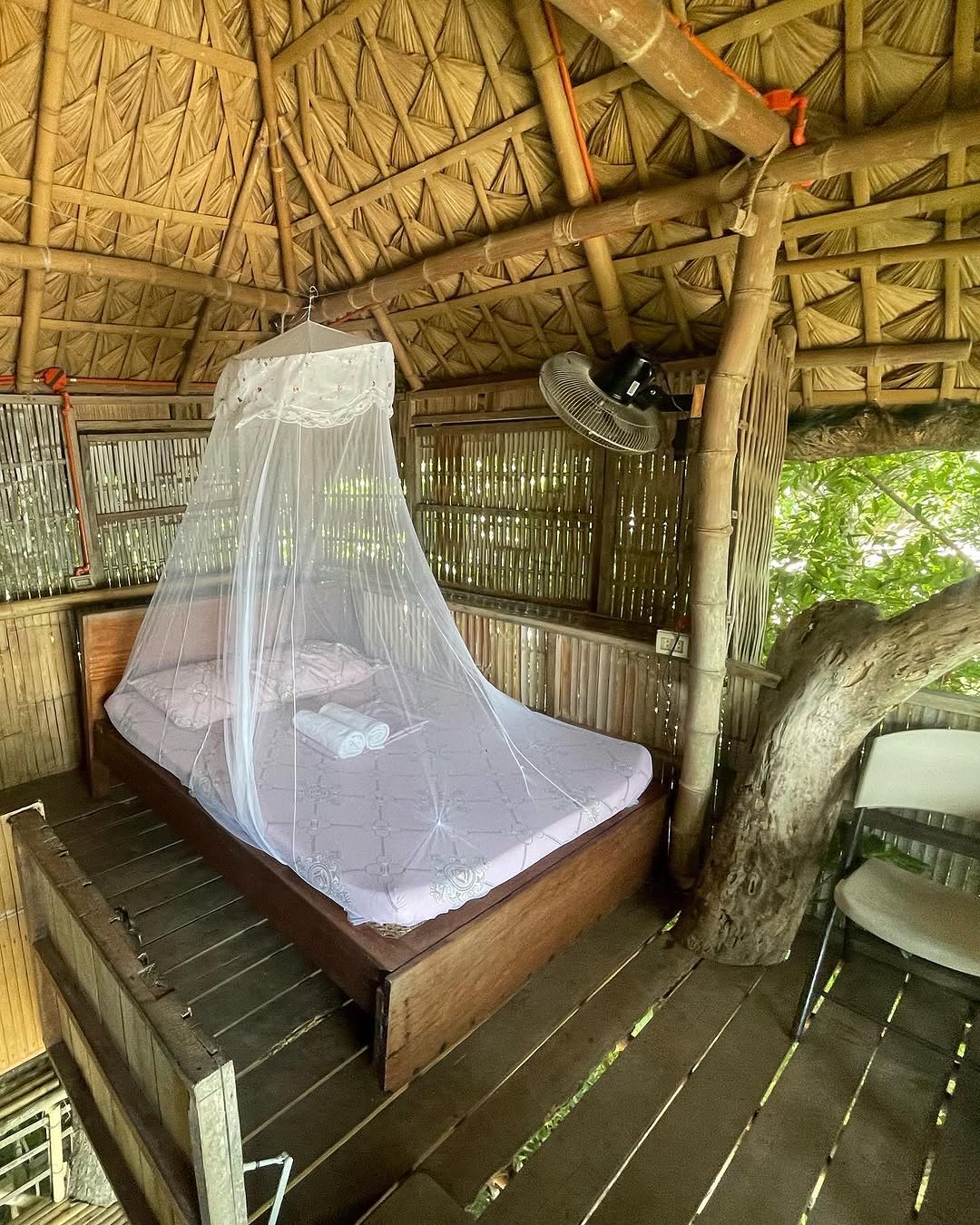
A canopied bamboo nest elevated above the forest floor, the Treehouse at Kapusod offers a sleeping experience unlike any other in the region. The structure is built entirely from bamboo and natural materials, with a canopied bed that gives the feel of sleeping suspended between the tree canopy and the open sky of Taal Lake. Wake to birdsong drifting up from the garden below and light filtering through the leaves before it reaches the water. The Treehouse is an overnight accommodation that celebrates the act of being in — not just beside — nature.
The Karakoa
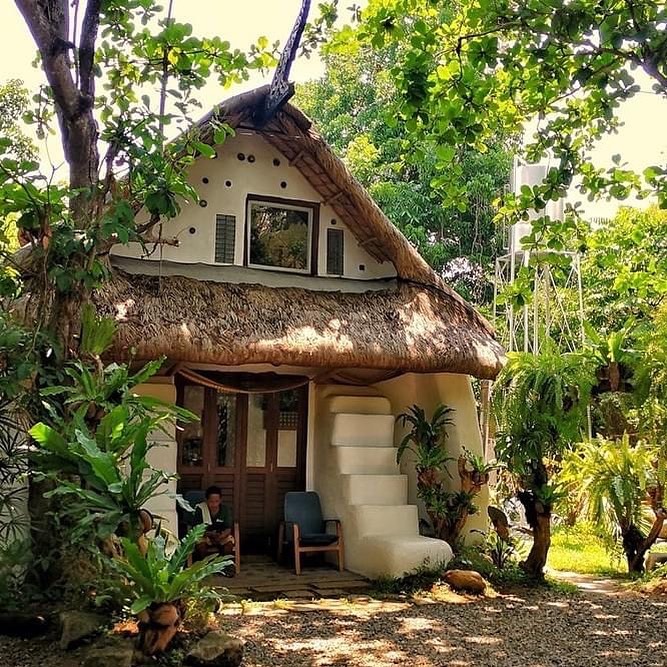
Named after the ancient Philippine sailing vessel — the swift and storied karakoa warship of the pre-colonial Philippines — this two-bedroom earthen house is Kapusod's most culturally resonant accommodation. The walls are constructed from clay, which maintains a stable, naturally cool temperature through summer and the warmth of the rainy season. The result is a structure that breathes with the climate, needs no mechanical cooling, and carries in its very fabric a conversation about Philippine heritage and ecological intelligence. The Karakoa is ideal for families or two couples traveling together.
The Dome
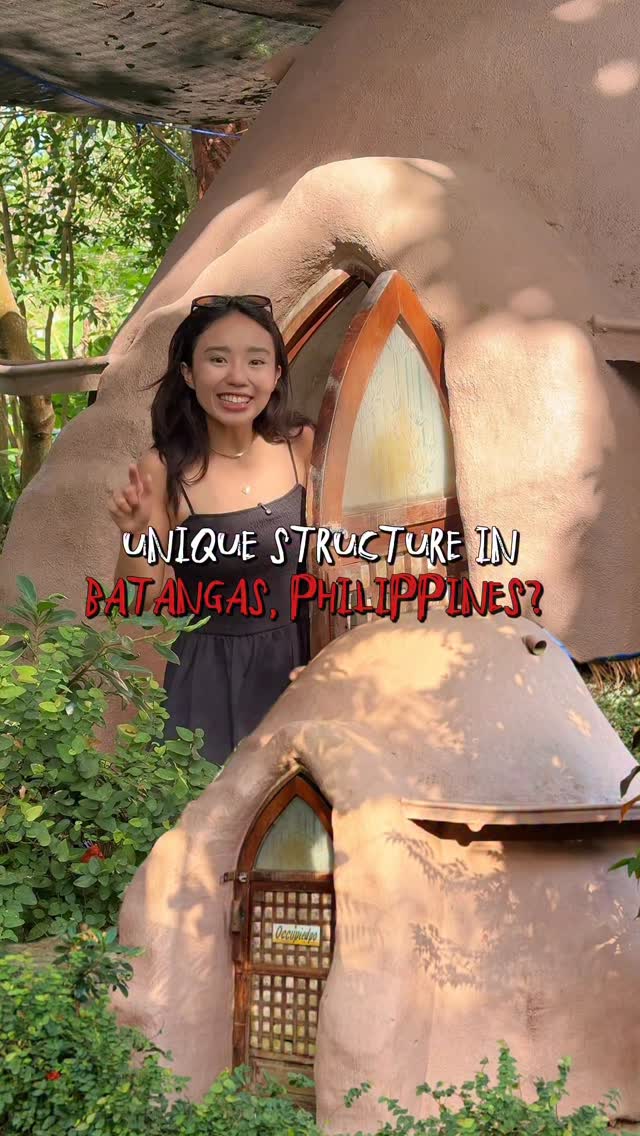
A geodesic dome rising from the Taal lakeshore, the Dome at Kapusod is an architectural statement that draws skygazers, design lovers, and those who want their retreat to carry a sense of visual drama. The geometric precision of the dome's structure creates an interior space that feels expansive despite its compact footprint, with the Taal Lake horizon always present through its openings. The Dome is an overnight accommodation that suits guests drawn to contemporary ecological design — a structure that owes as much to Buckminster Fuller as it does to the Philippine tradition of living lightly on the land.
The Cabana
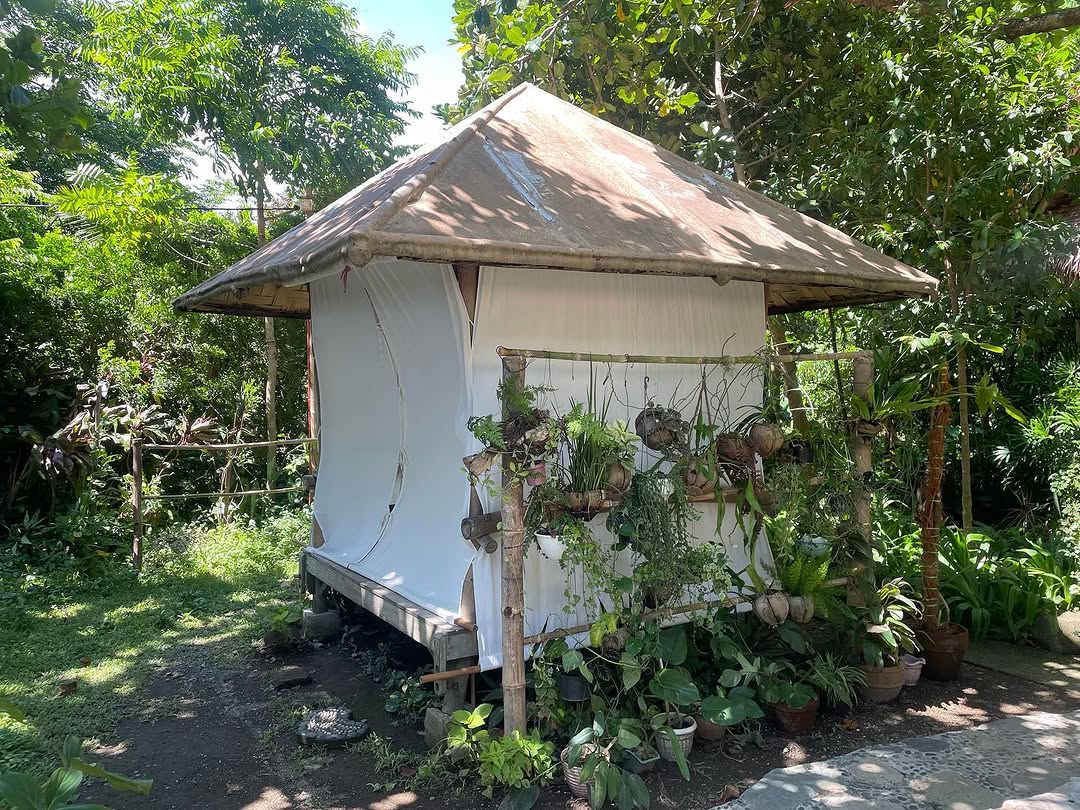
The Cabana is Kapusod's most open accommodation — a cogon-thatched, bamboo-framed shelter that allows the lakeside breeze to move freely through every corner of the space. There are no walls between you and the movement of air from Taal Lake; the structure frames the landscape rather than enclosing you from it. The Cabana is available for both day use and overnight stays, making it the most flexible of Kapusod's accommodation options. It is the ideal choice for guests who want to feel entirely immersed in the outdoor environment of the retreat while still having the comfort of a sheltered, considered space.
Day Use
Spend a full day at Kapusod — swimming, eating, exploring — without an overnight commitment.
Natural Swimming Pool
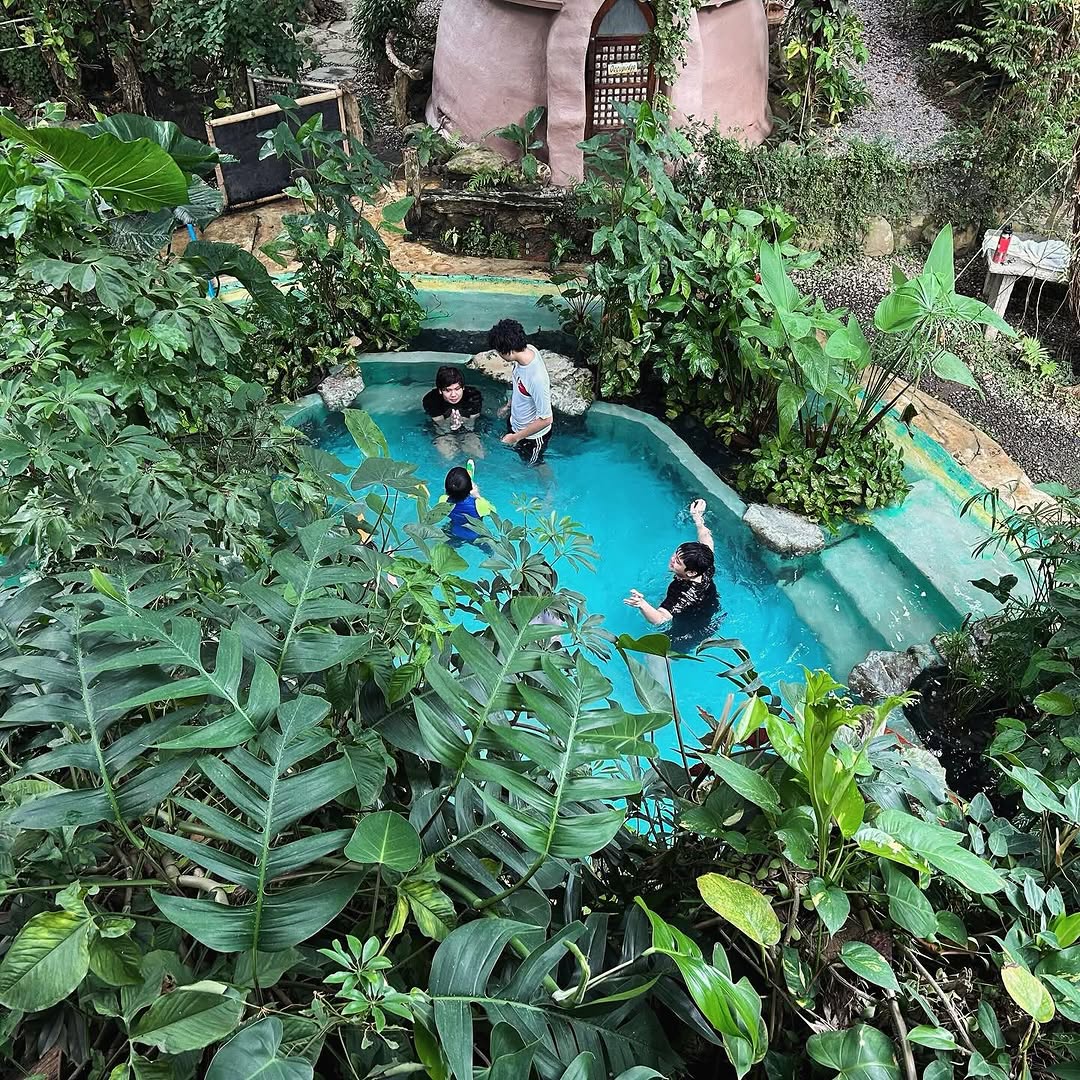
The natural pool is one of Kapusod's most distinctive features — a chlorine-free swimming pool that is filtered entirely through biological and physical systems: gravel, mesh, and living plants that grow within and around the pool. The result is water that is genuinely clean without any of the harshness of chemical treatment. The pool has matured over the years into a functioning ecosystem, with plants thriving in the filtration zone and the water maintaining its clarity through the work of living organisms. Children and adults alike find it refreshing in a way that is qualitatively different from a conventionally treated pool.
Lakeshore Garden
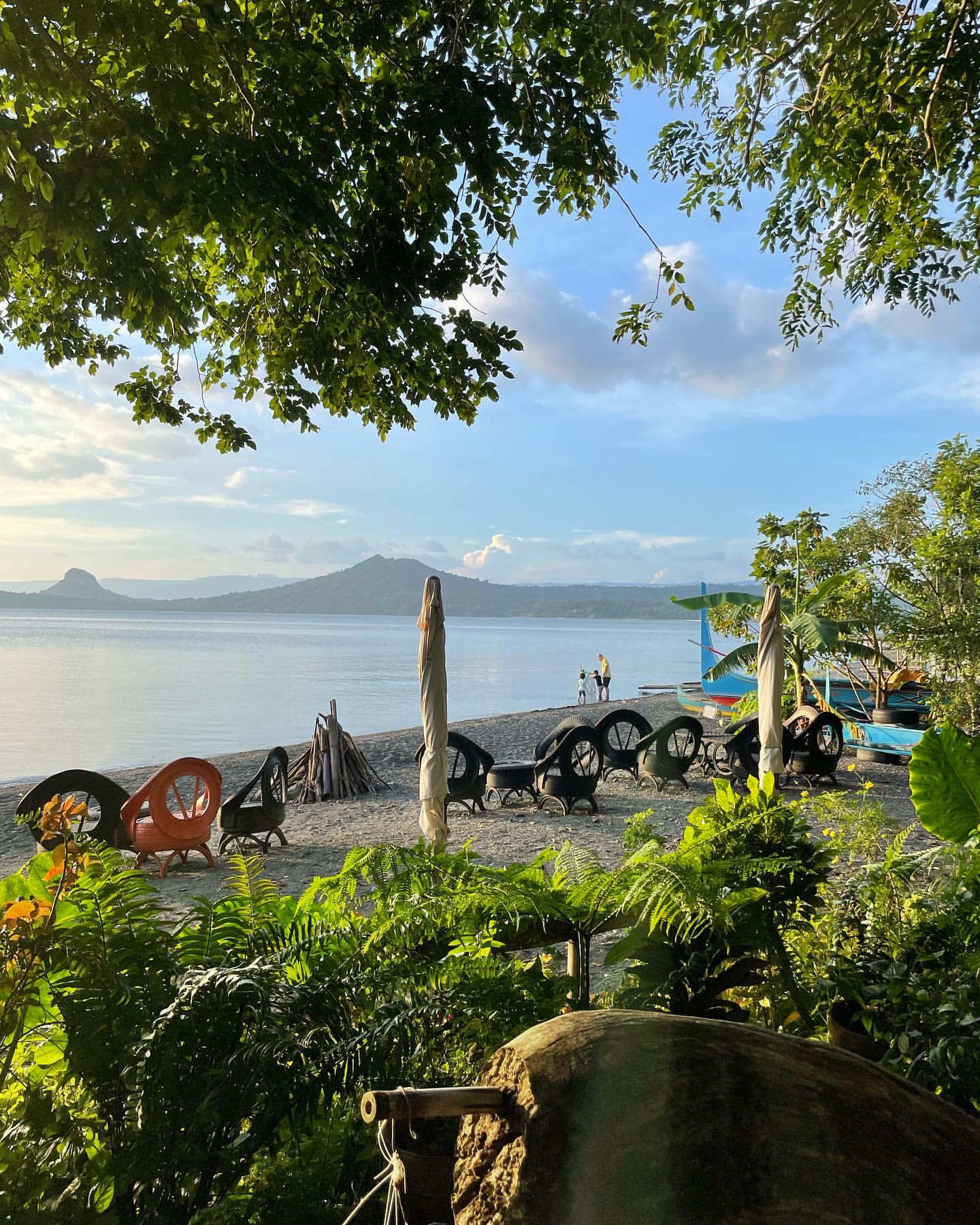
The grounds of Kapusod extend to the shore of Taal Lake, with gardens, pathways, and seating areas distributed through the property. Day visitors have access to the full garden — an ecosystem of flowering plants, trees, and native species that has been cultivated over many years. Ginger lilies, flowering shrubs, and the windmill at the water's edge are landmarks of the garden. The dap-ay — a traditional gathering space inspired by the communal fire spots of indigenous Philippine communities — is a focal point for evening gatherings and events.
Food & Dining
Authentic Batangas cuisine served in the open air, with Taal Lake as the dining companion.
Tawilis with a Twist
Tawilis — the small freshwater sardine found only in Taal Lake — is a Batangas delicacy that Kapusod serves with a distinctive preparation unique to the retreat. A humble fish treated with the respect it deserves, this dish connects the guest directly to the ecology of the lake they are dining beside.
Authentic Filipino Breakfast
A full Batangas-style breakfast featuring garlic fried rice, a whole bangus (milkfish) cooked to order, and fresh eggs — a meal that anchors the morning in Filipino culinary tradition and sets the tone for a day spent close to the land. Served at the outdoor dining area with the morning light of Taal Lake as accompaniment.
Suman
Freshly made suman — the traditional sticky rice cake wrapped in banana leaves — is a Kapusod staple. Served warm and made on the premises, the suman at Kapusod comes in the two classic Batangas variants and is best enjoyed at the lakeshore in the early morning or late afternoon. It is a delicacy that tastes of the region and the season.
Halo-Halo and Local Desserts
Kapusod's dessert selection includes local halo-halo — the classic Filipino shaved-ice dessert — as well as seasonal preparations including ube turon, banana turon, and an assortment of freshly made sweets that vary by what the kitchen has at hand. The desserts are an expression of Batangas sweetness: honest ingredients, generous portions, and the particular satisfaction that comes from eating something made nearby.
Kapusod Holiday Special
During holiday seasons, the kitchen produces a special menu that draws on Batangas tradition and the seasonal availability of ingredients. The holiday tawilis special is a recurring highlight, and the kitchen has been known to turn adversity into abundance — including, memorably, a storm-damaged tree that became a Christmas tree at the center of the property.
Experiences & Activities
Kapusod offers more than accommodation — it is a living venue for cultural learning, physical wellness, and community gathering.
Cultural Workshops
Kapusod hosts cultural learning sessions including Baybayin script seminars — immersive workshops in the pre-colonial Philippine writing system — led in a setting that reinforces the connection between language, culture, and land. Ikebana (Japanese flower arrangement) sessions have also been hosted, drawing on the convergence of Filipino and Japanese ecological traditions in the Taal Lake setting.
Lakeside Pilates & Wellness
The open spaces of Kapusod — the garden, the shoreline, the pool terrace — have been used for pilates sessions and other wellness activities, taking advantage of the outdoor environment and the calming presence of Taal Lake. Sessions have been hosted both for private groups and as ticketed events for the broader Kapusod community.
Events and Ceremonies
Kapusod's lakeside setting and ecological architecture make it an exceptional venue for intimate events — including lakeside weddings held on the garden grounds, anniversary celebrations, co-working sessions for teams seeking creative distance from the city, and anniversary gatherings. The retreat accommodates both the quiet and the celebratory.
Nature Exploration & Kayaking
The shoreline of Taal Lake at Kapusod invites guests to explore the lake itself — by kayak, on foot along the garden paths, or simply by sitting and watching the light change over the water. The living community of the retreat includes horses, dogs, turkeys, and a variety of bird species that coexist with the guests in the property's daily life.
Field Trips & Educational Visits
Kapusod has hosted school field trips and educational visits, bringing students and young people into contact with ecological architecture, sustainable living systems, and the natural environment of Taal Lake. The property offers a living classroom where concepts of sustainability, indigenous design, and environmental stewardship can be seen and experienced directly.